For a first visit to Helsinki, start with a central base, one maritime outing and a small number of cultural priorities. Learn the transport zones before buying tickets, reserve the experience you most care about, and keep the rest of the plan flexible. The city is easier to enjoy when you spend time in its public spaces rather than moving constantly between paid attractions.
Choose the kind of Helsinki trip you want
A summer visit centred on outdoor time and a winter visit built around museums are different holidays. The city's tourism guidance presents Helsinki through distinct seasons, with the archipelago and outdoor life especially prominent in summer and more indoor possibilities in the colder months. [1]
Choose dates according to those interests before choosing a hotel deal. A low room price is not necessarily good value if the boat trip or seasonal attraction you want is not operating. Conversely, there is little reason to pay for peak outdoor-season dates when your main interests are exhibitions, concerts and design shops.
For a first city-focused trip, two full days is a workable starting point; three gives more room for a slower pace or one excursion. That is an editorial planning recommendation, not a minimum required to "complete" Helsinki. A shorter visit can still be rewarding if you remove the distant extras.
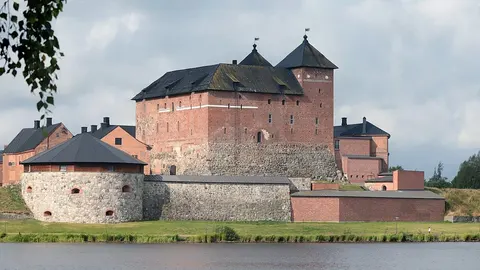
Build the outline around three priorities. For example, choose a sea-fortress outing, a design museum and a sauna. Everything else can support those choices rather than competing with them. This makes it easier to decide what to remove when the weather or your energy changes.
Arrive with the airport journey already understood
Helsinki Airport is connected to the centre by the I and P commuter trains, not by the metro. HSL places the airport in zone C and central Helsinki in zone A, so the airport-to-centre rail journey requires coverage for ABC. [2]
Download or bookmark the HSL journey planner before travelling and enter the actual hotel address. A central station is a useful landmark, but it may not be the best final stop for every property. The complete route also shows whether a tram, bus or walk makes sense after the train.
A very early departure or late arrival needs its own timetable check. Finavia identifies bus 600 as a round-the-clock airport connection. Do not infer that the rail service is also continuous simply because an airport route exists overnight. [3]
For a ferry arrival, use the terminal written on your ticket rather than searching for a generic "Helsinki port." Keep the street address of your accommodation available offline, especially if you expect to arrive tired or with limited connectivity.
Buy transport for your journeys, not for an imagined itinerary
HSL contactless payment lets you select the zones at a reader and pay with a supported bank card or mobile wallet. It charges adult single fares, so travelers entitled to another category should compare the appropriate ticket rather than assuming the reader automatically recognises an age discount. [4]
A significant recent change is the 24-hour contactless fare cap introduced on 2 November 2026. Using the same payment method, eligible single purchases are capped at the relevant day-ticket amount. The published caps are €10.60 for two zones and €12.80 for three; journeys reaching an additional zone can change the applicable cap. [5]
The cap is not a universal rule for every ticket purchased in the HSL app. HSL's announcement specifically distinguishes contactless purchases from those other channels. Use the payment method consistently and read the current instructions before mixing cards, phones and group purchases. [5]
For a walking-heavy visit, a pass is not automatically the best choice. Estimate the journeys you expect to make and compare the actual options. For a more dispersed itinerary, paying for broader coverage can be worthwhile simply because it removes repeated decisions.
Keep the ticket or payment device available for inspection. Transport that allows you to board without a physical barrier still requires the correct fare. The absence of a gate is not an invitation to decide about payment after the journey.
Give the first day a clear, compact shape
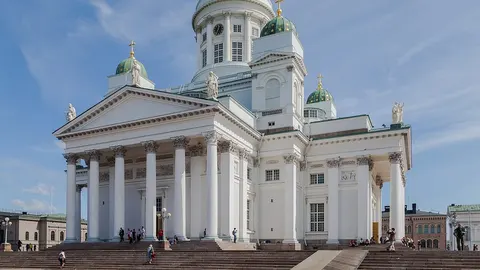
Begin in the historic centre and allow time around Senate Square and the harbour. The Helsinki City Museum is a free place to add local context; it is particularly useful if your first morning is wet or you prefer a short introduction before exploring. [6]
Oodi provides a different introduction. The central library's public floors are free to enter, so you can appreciate a contemporary civic building without committing to a full museum visit. Some equipment and room services have separate reservation requirements, but ordinary browsing does not require you to become a library member. [7]
Choose one substantial paid interior rather than buying tickets for several out of habit. Read the exhibition descriptions and pick the one whose subject actually interests you. The practical question is not which museum is most famous, but which one you would be disappointed to miss.
If the weather is favourable, preserve part of the day for the water or a park. Do not spend the whole good-weather window inside merely because you booked an inflexible sequence before seeing the forecast.
Food, payments and the small decisions that prevent surprises
Finland uses the euro, and Visit Finland describes card and mobile payments as widely accepted. It also explains that tipping is optional rather than expected as a standard addition. A small amount of backup cash can still be useful, but there is no need to carry the entire trip budget in banknotes. [8]
Check what your hotel rate includes, particularly breakfast. When you eat out, compare the full meal you want rather than only the smallest price on the menu. A lunch plan, a café break and a dinner reservation are separate choices; you do not need a formal restaurant for all three.
Helsinki's public water supplier reports that its drinking water meets Finnish quality requirements. A reusable bottle is therefore practical for ordinary city travel, provided you fill it from a suitable cold drinking-water tap and follow any local notice. [9]
For food-market visits, use the opening hours of the hall and the individual business. A building that is open does not guarantee that a particular kitchen is serving. This is especially relevant when you are trying to eat immediately before a ferry or train.
Approach sauna as a choice, not a test
Sauna etiquette depends on the venue and session. MyHelsinki's guidance distinguishes mixed public settings from other arrangements; there is no single clothing rule that can safely be applied to every sauna in the city. [10]
Read the booking instructions, bring what the venue requests and ask staff when unsure. At Löyly, for example, mixed public areas require swimwear and the operator recommends advance reservations. That tells you how to prepare for that particular experience, not how every Finnish sauna works. [11]
You do not have to stay in the heat for a fixed duration or swim in cold water to make the visit worthwhile. Choose a comfortable pace and leave time afterwards rather than placing the session immediately before a flight.
A successful first Helsinki trip is not one where you have followed every local ritual. It is one where the transport is straightforward, the main activities fit your interests and enough unplanned time remains to notice the city between them.
Source & editor notes
Planning priorities and suggested trip length are editorial. HSL's contactless cap took effect on 2 November 2026 and is not assumed to apply to all sales channels. Sauna rules are venue-specific.