How to Get from Helsinki to Fiskars: Routes and Travel Tips
The usual public-transport route from Helsinki to Fiskars is a train to Karjaa, followed by a local bus to the village. The rail journey is only part of the trip: Fiskars is approximately 15 km from Karjaa station. Plan the connecting bus and return first; driving becomes more attractive when you want several rural stops or a late departure. [1][2]
Understand the two-stage journey
Fiskars is not a stop on the Helsinki–Turku mainline. Karjaa, also encountered under its Swedish name Karis, is the useful rail gateway for this journey. The village's arrival information directs visitors to the train and onward local transport rather than suggesting that the station is within easy walking distance of the attractions. [1][3]
That last leg is what changes the planning. A search showing a fast train to Karjaa can make the outing look simpler than it is. You still need to leave the platform, find the appropriate bus stop, make the connection and reach the part of the village you intend to visit.
The village describes the Bosse journey from Karjaa to Fiskars as taking about 30 minutes via intermediate places including Billnäs and Pojo. Treat that as a guide to the scale of the connection, not a promise that every departure has an identical running time. [2]
Start by choosing a workable return from Fiskars, then find an outward journey that leaves enough time in the village. This reverses the common mistake of taking an attractive morning train and discovering only afterwards that the return bus is inconvenient.
Book the train, then verify the bus connection
Use VR for the train journey and the local planner linked by Fiskars Village for the onward bus. Search the actual travel date, including whether it is a weekend or public holiday. A tourism itinerary written for a summer weekday is not a dependable timetable for an autumn Sunday. [4][5]
When comparing departures, leave enough time at Karjaa to make the transfer without running. That margin is especially valuable with luggage, children or limited mobility. A journey planner can show a connection; you still need to judge whether the change is comfortable for your circumstances.
Buy the appropriate rail ticket for the departure you intend to take and understand its change conditions. Do not assume the local bus and train form one protected booking simply because a travel article describes them as a single route. Check each operator's conditions where a missed connection would have a significant cost.
Save both stages of the route. A screenshot containing only the train times is not enough once you reach Karjaa and need the bus destination or stop name. Keep the return information accessible without depending on a fresh mobile-data connection.
Allow time for the village, not just the transfers
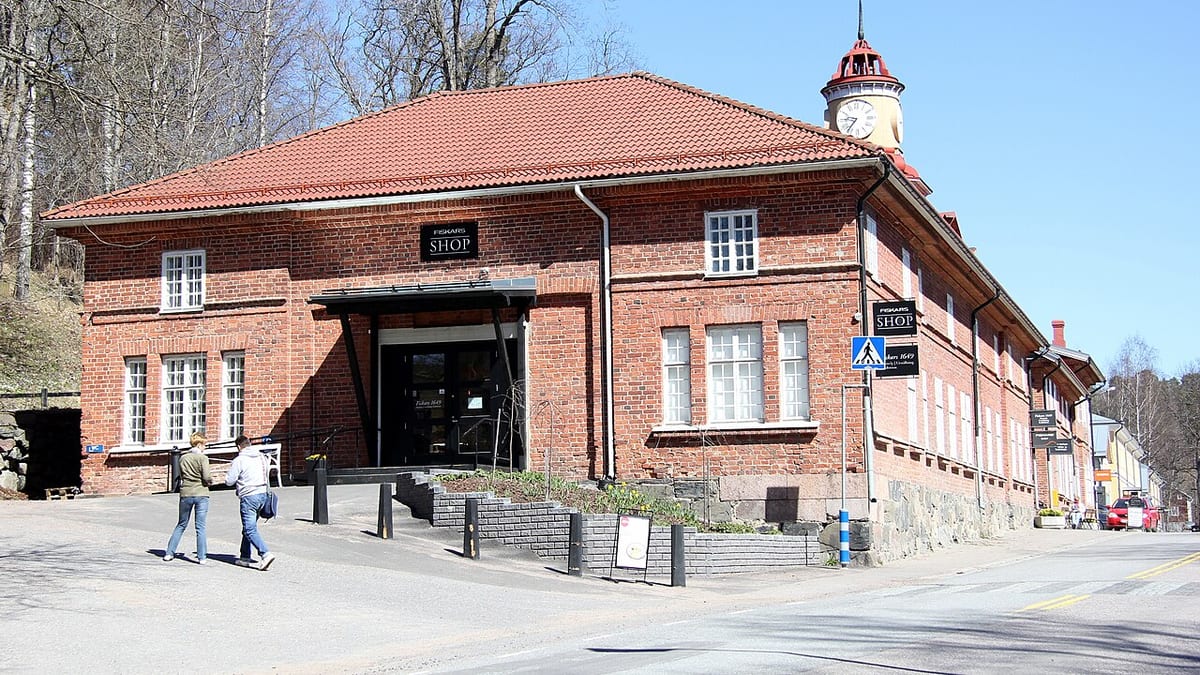
Fiskars Village's official website is the best starting point for its current exhibitions, workshops, shops and events. Choose a few that matter to you rather than assuming every studio welcomes drop-in visitors throughout the day. The destination works best when the outing has a purpose beyond arriving and taking a photograph. [5]
For a first visit, a practical plan is a central walk, one exhibition or booked activity and a proper meal or café stop. That gives the day variety without requiring a sequence of timed reservations. Add shopping around those anchors rather than making every open door a compulsory stop.
A workshop changes the transport calculation. If you have a fixed start time, take a connection that leaves room for a delay and for finding the venue. If the workshop finishes near the last useful bus, arrange the return before paying for the activity.
Do the same with dining. A leisurely lunch is a good fit for a village day, but a reservation should not use the entire gap before the return connection. Tell the restaurant when you need to leave if the timing is tight, and choose an earlier sitting rather than expecting a multi-course meal to be accelerated.
When a taxi solves the right problem
A taxi from Karjaa can be useful when the bus timetable does not fit, when you have a specific appointment or when the group values a simpler final leg. Obtain a quote for the actual journey and passenger count rather than relying on a generic cost estimate.
If you need a taxi back, arrange it deliberately. Do not assume the availability you might expect beside a large city station will also exist at the moment you decide to leave a smaller village. A confirmed pickup can turn an awkward public-transport day into a workable one.
Compare the complete cost for the group. Four people sharing the final transfer face a different calculation from a solo visitor. However, a taxi saving time at one end does not automatically justify a late return if it leaves the train connection fragile.
For accessibility needs, discuss boarding, luggage and the exact pickup point with the operator. The relevant question is whether the whole chain works, including the walk from the drop-off to the booked venue.
Driving and combining stops
A car offers the clearest advantage when Fiskars is one part of a wider Raseborg day. The region's tourism information presents several places accessible by different modes, and the village itself identifies driving as one way to arrive. Use a car because the itinerary needs flexibility, not because public transport is impossible. [3][5]
Before adding another stop, decide how much time Fiskars deserves. A day containing several villages can become a series of parking searches and short walks. Two meaningful visits are usually better than a long list of places seen only from the road.
Use current parking signs and the village's arrival guidance rather than stopping wherever a map appears to show open space. Build in time to walk from parking, particularly during events. If the evening includes alcohol, arrange a non-driving return instead of treating the car as an obligation to drive home.
What to check the day before
The final check should be focused: the actual train, the actual bus, any booked venue and the return plan. Rechecking every general tourism page is less useful than confirming the few services on which the outing depends.
Bring clothing for the forecast and footwear suitable for walking between separate venues. Keep purchases manageable if returning by bus and train; bulky or fragile shopping can change the ease of the journey considerably.
For most independent visitors, the best route is still straightforward: rail to Karjaa, a planned Bosse connection and several unhurried hours in Fiskars. The mistake to avoid is not taking public transport. It is treating Karjaa station as though it were already the village.